Summary: Djurgårdens blends royal history, world-class museums, and wild nature on a single Stockholm island.
Djurgårdens is not just a district;it's a state of mind. Walk across Djurgårdsbron on a crisp autumn morning and the city's hum fades into birdsong and the crunch of gravel underfoot. This island, once a royal hunting ground。
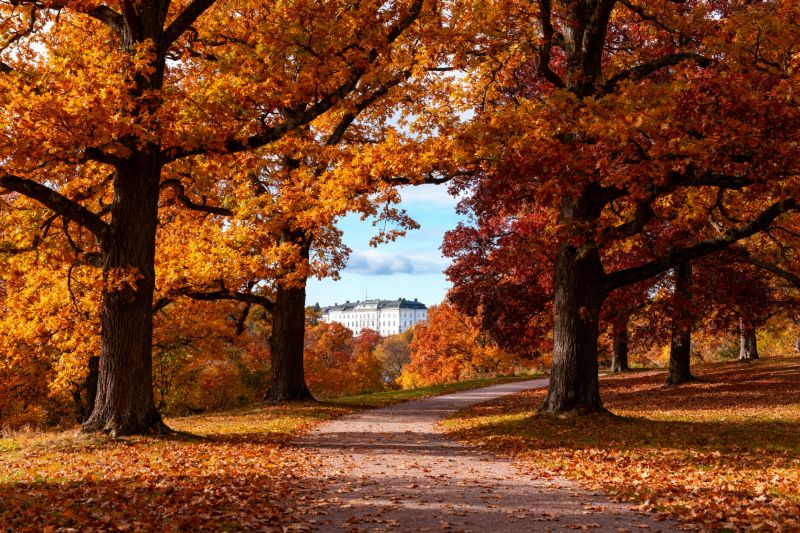
now packs more green space and cultural weight per square meter than almost anywhere else in Stockholm. You come here for the museums, sure, but you stay for the quiet pockets where you can hear yourself think.The first thing that hits you is the sheer density of attractions. Djurgårdens houses the Vasa Museum, Skansen, the ABBA Museum, and Gröna Lund amusement park—all within a ten-minute stroll. That concentration creates a strange energy: tourists clutching maps, locals jogging past with earbuds in。kids dragging parents toward the funhouse. Yet step off the main drag and you find yourself on a dirt path lined with oak trees, the kind that have stood for centuries. My favorite spot is the Rosendal Palace garden, a walled oasis where you can sit on a bench and watch peonies bloom in June, completely oblivious to the throngs a few hundred meters away.Djurgårdens also has a working-class soul that often gets overlooked. The district's eastern edge, around Waldemarsudde, was once home to fishermen and craftsmen. Today, you can still see the old wooden houses, painted in that deep Falun red, squeezed between modern art galleries. It's a reminder that Djurgårdens isn't just a playground for tourists—it's a living neighborhood with its own rhythms. On a weekday afternoon, you'll spot dog walkers and retirees chatting outside the local bakery。their conversations drifting over the scent of cardamom buns. That mix of the monumental and the mundane is what makes Djurgårdens feel real.Nature here isn't an afterthought. The island's northern tip。
Djurgårdsbrunnsviken, offers a shoreline path where you can watch herons stab at the water and sailboats drift by. In winter, the frozen bay becomes a makeshift skating rink, and you'll see families gliding past the Royal Djurgården park, cheeks red from the cold. I once spent a January afternoon there, sipping hot chocolate from a thermos, and counted seven different species of birds without trying. The city feels miles away, yet you're only a fifteen-minute tram ride from T-Centralen.So what's the takeaway?Djurgårdens defies easy categorization. It's a museum island, a royal park, a residential enclave。
and a nature reserve all at once. You could spend a week here and still find new corners—a hidden café, a sculpture you missed, a path that leads to a quiet beach. The place rewards slow exploration, not checklist tourism. If you visit Stockholm and skip Djurgårdens, you're missing the city's green heart. But if you go, leave the itinerary at home and just wander. That's when Djurgårdens reveals itself.