Summary: The Netherlands national team jersey is a symbol of Dutch football identity, blending iconic orange
he Netherlands national team jersey is not merely a piece of sportswear;it's a vibrant orange emblem of Dutch identity, innovation。
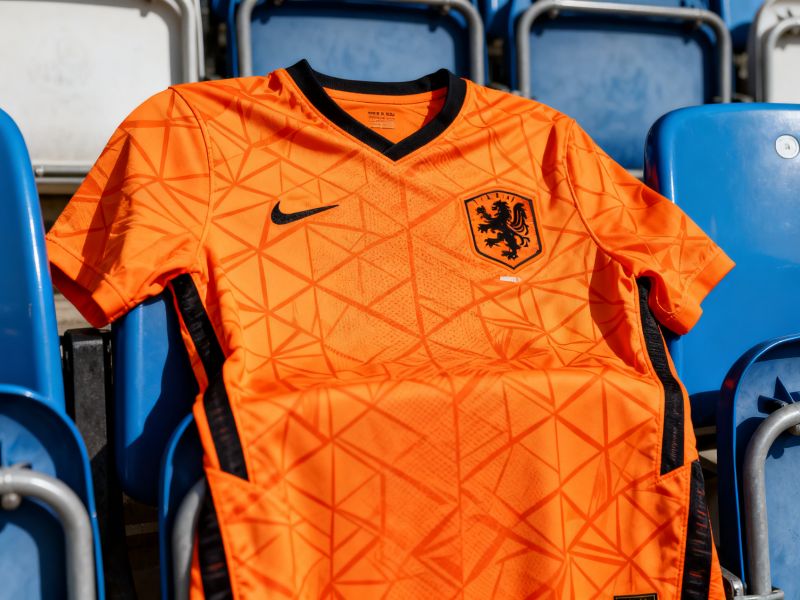
and footballing philosophy. Walk through Amsterdam on a match day and you'll see it everywhere—on toddlers, grandparents, and the occasional confused tourist who bought one at a souvenir shop. That iconic hue, officially known as 'Oranje,' traces back to the House of Orange-Nassau, the royal family that has lent its color to the national team since the 1930s. But the jersey's story is as much about design and technology as it is about heritage. I remember holding a 1988 European Championship replica—the geometric pattern felt like a bold statement, a far cry from the plain kits of earlier decades. That year, with Ruud Gullit and Marco van Basten in full flow, the jersey became a symbol of total football's crowning achievement.Nike has been the supplier since 1996, and each cycle brings subtle yet meaningful tweaks. The 2022 World Cup home kit featured a textured pattern inspired by Dutch architecture and a collar that split opinion (I thought it looked sharp;a friend called it 'a bit too disco'). What consistently stands out is the balance between tradition and experimentation. The KNVB (Royal Dutch Football Association) insists on maintaining the exact shade of orange—Pantone 165 C, if you're curious—while allowing designers to play with fabric weaves and accent colors. The away kits。often in navy or white, provide a canvas for wilder ideas, like the 2021 Euro away shirt with its abstract orange brushstrokes. That one sold out within days.Performance-wise, the Netherlands national team jersey incorporates Nike's Dri-FIT ADV technology, which uses computational design to map sweat zones. Players like Virgil van Dijk and Frenkie de Jong have praised the lightweight feel, though let's be honest: most fans aren't testing moisture-wicking capabilities from the couch. Still。the authentic match shirts differ from stadium replicas in fit and material—a detail collectors obsess over. I once compared a player-issue jersey to a retail version, and the difference in ventilation panels was striking. The authentic version feels almost like a second skin, while the replica is more forgiving for everyday wear. That distinction matters to serious kit enthusiasts, who scour forums for 'codezero' tags and heat-pressed badges.Cultural impact?
The jersey transcends football. It's worn at King's Day festivals, by DJs at electronic music events, and even as a fashion statement in cities like Rotterdam and Eindhoven. During the 2014 World Cup, I saw a group of Dutch fans in São Paulo wearing vintage 1974 jerseys—the ones with the simple black collar and no sponsor logo. Those shirts。now highly sought after, remind you that the Netherlands national team jersey has always been a conversation starter. Recent leaks suggest the 2024 home kit will feature a tonal orange pattern inspired by Dutch canal houses, a nod to the country's urban landscape. If true, it'll be another chapter in a design legacy that refuses to stand still.
Ultimately, the Netherlands national team jersey works because it doesn't try too hard. It's orange。it's bold, and it carries the weight of Cruyff's legacy without being burdened by it. You don't need to be a football historian to appreciate that. Just watch a packed Amsterdam Arena on a Tuesday night—the sea of orange tells you everything. The jersey is a uniform, yes, but it's also a promise: that Dutch football will keep attacking, keep innovating, and keep looking good while doing it.